Wednesday, April 22, 2020


How to Treat Painful Conditions at Home
Inbox
x

WebMD health@messages.webmd.com Unsubscribe

9:46 PM (38 minutes ago)


to me


Trouble viewing this email? View as a Webpage

webmd logo  
Special


How to Treat Painful Conditions at Home

The last place most of us want to be right now is an emergency room. See what you can do to treat sprains, strains, back pain, tendinitis, and other common aches and pains -- and when to call the doctor.
Missing Images
Read More  


Did You Know She Had COVID-19?

Fame and fortune can't shield you from the new coronavirus. See which celebrities have tested positive.
Read More  


How to Ease a Hangover

There are physical issues like nausea, but hangovers can affect you mentally, too. Here's what science has to say about why a hangover hurts so bad and what you can do to feel better.
Read More  


How to Have Better Sex After 60

Many mature couples have better love lives than they did in their more youthful days. See how to make the most of increased togetherness.
Read More  


Is a CPAP the Same as a Ventilator?

CPAP stands for "continuous positive airway pressure." Learn what CPAP machines do, who uses them, and how to care for them.
Read More  
Coronavirus Advice From Our Experts

Don't Pressure Yourself to Be Productive Right Now


Could Deep Breathing Exercises Protect You?


A Pharmacist's Tips for Picking Up Medications

Stopping the Spread

Experts Say Community Monitoring Needed to Stop COVID-19


Social Distancing Benefits Outweigh Economic Toll


New Drug Review: Anjeso

Inbox
x

MPR First Look editor@email.empr.com Unsubscribe

7:18 PM (3 hours ago)


to me
If you are having trouble viewing this email, click here.

WebMD BlogsWebMD Doctors

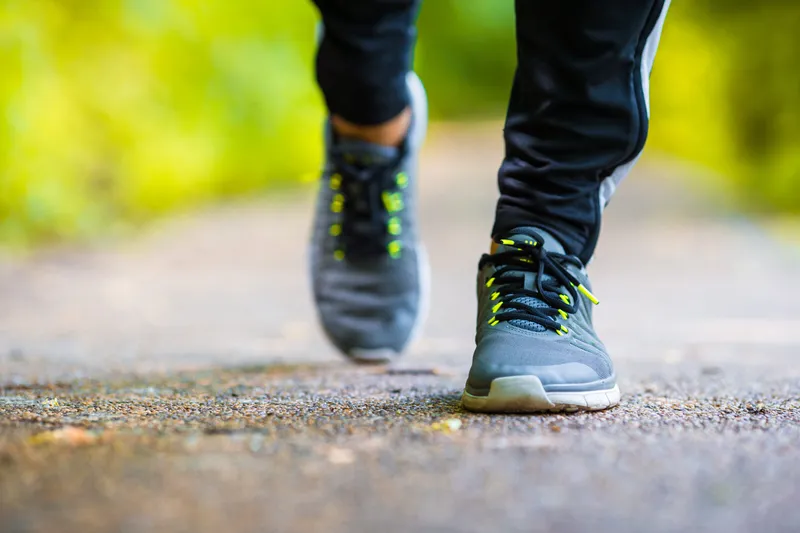
Is 6 Feet Enough Distance When Walking and Running?

running shoes
Michael  W. Smith, MD - Blogs
By Michael W. Smith, MDBoard-certified internistApril 10, 2020
I’m not much of an outdoor runner, but with fewer exercise options right now, I’ve taken to it a bit more. One thing that’s been on my mind is whether the general social distancing guideline of 6 feet is really enough for runners and walkers to stay safe.
When in the same room as someone else, standing around and talking, even if someone coughs or sneezes, research shows us that virus from an infected person could travel up to 6 feet away. That’s where the social distancing recommendations come from.
But what about when you’re outside exercising – is 6 feet enough space to steer clear of virus sprayed from walkers, runners, and bikers passing by?
A group of Dutch and Belgian researchers have started looking into that question. Using simulations, they evaluated the slipstream of walkers, runners, and bikers. That’s the trail of saliva, potentially filled with virus, they leave behind. When a fellow walker, runner, or biker breathes, sneezes or coughs, particles stay behind, creating a cloud of droplets.
According to these researchers, the level of risk could depend on where you are in relation to the other person. They believe that the risk is greatest when you’re directly behind someone – less so if you’re running side-by-side or behind and diagonal. The bottom line, according to these researchers, is that 6 feet may not be enough since you could run, walk, or bike through someone’s slipstream of virus before it lands to the ground.
Based on their estimates, if you’re walking behind someone, you should be at least 12 to 15 feet away. For running and slow biking, keep at least 30 feet between you and them, and for hard biking at least 60 feet.
Even though these researchers make a case that more distance is better, we can’t say for sure based on these findings. However, until we have strong evidence either way, I’ll keep practicing the “why not, can’t hurt” philosophy and put as much space as possible between others and me.
When I go out for a run, I treat it like a bit of an obstacle course. Other people are the obstacles. I’m not satisfied with 6 feet. If I see I’m likely to pass another runner, I cross the street (safely of course) to keep plenty of space between me and others. As important as social distancing is, the extra effort seems worth it.

Bladder Cancer Signs. Treating PMBCL. Colon Cancer Foods.

Inbox
x

Cancer From WebMD health@messages.webmd.com Unsubscribe

4:33 AM (17 hours ago)


to me


Trouble viewing this email? View as a Webpage

webmd logo  
Cancer


How Primary Mediastinal B-Cell Lymphoma Is Treated

This type of non-Hodgkin’s lymphoma starts in the mediastinum, or the space between the lungs. See what your doctor might recommend to treat it.
Missing Images
Read More  


8 Things That May Slow Prostate Cancer

Cutting back on sugar, doing stress-relieving activities like yoga, drinking green tea, and these other habits might help to slow the cancer's growth.
Read More  


14 Ways to Avoid Caregiver Burnout

We share practical things you can do to help yourself -- and, in turn, help your loved one.
Read More  


How to Keep Your House Truly Clean

From the laundry room to the bedroom, use these tips and tricks to keep your home clean and virus-free.
Read More  


Mantel Cell Lymphoma: 10 Questions for Your Doctor

If you've just been diagnosed, print out these questions for your next doctor visit.
Read More  
From the WebMD Network

Liver Cancer Treatments and Prognosis


Know Your Cancer Risk Factors


What Is the CA 125 Cancer Test?

Top Picks

Side Effects of Vyxeos


What's the Right Social Distance When Running or Walking?