Tuesday, May 26, 2020


Symptoms of Mantle Cell Lymphoma
Inbox
x

Cancer From WebMD health@messages.webmd.com Unsubscribe

4:33 AM (7 hours ago)


to me


Trouble viewing this email? View as a Webpage

webmd logo  
Cancer


Symptoms of Mantle Cell Lymphoma

Some people with this form of non-Hodgkin's lymphoma have no obvious symptoms. This can delay a diagnosis. Other people may notice signs like these.
Missing Images
Read More  


14 Ways to Protect Yourself From Skin Cancer

Sure, you should wear sunscreen, but you should also take these other steps -- like wearing the right hat and sun-proofing your car.
Read More  


How Therapy Can Help Right Now

Therapy can help you respond to your feelings of being emotionally overwhelmed in a healthy way and keep you grounded in the present.
Read More  


Bone Cancer FAQ

How do bone cancer and metastatic cancer differ? How does cancer spread to the bones? We answer these questions and more.
Read More  


How Colon Cancer Spreads

When cells break off from the original tumor, they can travel to your lymphatic system and through your blood to the liver and nearby tissues.
Watch Video  
From the WebMD Network

What Are the 10 Signs of Ovarian Cancer?


How Do You Check for Bladder Cancer?


Multiple Myeloma Symptoms and Stages

From Our Sponsor

What Is CAR T-Cell Therapy? Here’s What We Know


City of Hope Logo

With CAR T cell therapy, doctors at City of Hope enlist your immune system in the fight against cancer

City of Hope
A single human immune cell. With CAR T cell therapy, these tiny powerhouses are taught to find and destroy tumor cells.
One of the most promising areas of cancer research and treatment is known as immunotherapy, in which a patient’s own immune system is enlisted in the fight against cancer.
This approach is more than just a narrow field of study at City of Hope. It is the central component of groundbreaking research and clinical trials currently underway. City of Hope continues to be at the forefront of a powerful form of immunotherapy known as CAR T cell therapy. In this approach, the medical team starts with certain white blood cells known as T cells drawn from a patient. They augment this raw material with lab-made chimeric antigen receptors—the “CAR” in CAR T cell. The enhancement enables cells to identify a specific cancer by its signature protein. The therapeutic cells are expanded in the lab to a population in the billions and then reinfused into the patient. Back in the theater of immune combat, they do their cancer-fighting work without hurting healthy tissue.

A Foundation of Innovation

City of Hope's history with CAR T cell therapy dates back to the late 1990s and builds on the pioneering work of Stephen J. Forman, M.D., director of City of Hope's Cellular Immunotherapy Center. The City of Hope bone marrow transplantation program began in 1976 and has since grown into one of the largest, most successful programs of its kind in the nation. To date, more than 15,000 bone marrow transplants have been performed at City of Hope, with survival rates exceeding expectations for 15 consecutive years, according to the Center for International Blood & Marrow Transplant Research.
Currently, City of Hope is investigating CAR T cell therapy as a bridge to bone marrow transplant for leukemia and lymphoma patients and is unique in its research of CAR T in combination with transplant.
Smiling Man
Non-Hodgkin's lymphoma patient Chuck Fata was nearly out of options when he came to City of Hope for CAR T cell therapy. Four years later, he remains cancer-free.
Among the diseases that City of Hope physicians and scientists are targeting with CAR T cell therapy are lymphoma, leukemia and multiple myeloma. Based on their success with blood cancers, City of Hope researchers are now unleashing CAR T cells against an array of solid tumors, including glioblastoma and prostate cancer. City of Hope’s CAR T trials for glioblastoma—a type of aggressive brain tumor—were the first of their kind in the world to inject reengineered CAR T cells directly into the tumor site and cerebrospinal fluid. A case report was published in 2016 in the New England Journal of Medicine.
City of Hope has one of the most comprehensive CAR T cell programs in the world, with 29 CAR T cell clinical trials ongoing and plans to open numerous additional trials in the coming year. City of Hope has treated more than 450 patients with CAR T therapy.

Patient-centered Care

City of Hope, with its clinical care, research and production facilities all on one campus, is uniquely positioned to lead this work. Few institutions are capable of harnessing the same comprehensive “bench to bedside” resources necessary for the discovery, translational research, clinical development, manufacturing, quality assurance and delivery of leading-edge treatments for its patients. City of Hope has the ability to harvest, reprogram, multiply and deliver T cells all on the same campus.
Doctor Monitor
City of Hope researcher Saul Priceman, Ph.D., trains CAR T cells to seek out and destroy solid tumors.
Key to City of Hope’s success in advancing lifesaving CAR T cell therapy is its legacy of patient-centered care—treating not just the illness but caring for the entire patient. The community there includes researchers, scientists, doctors, nurses and supportive care professionals, each of whom is dedicated to giving patients the chance to live longer, better and more fully.
While it’s being investigated for the treatment of many kinds of cancer, CAR T cell therapy is currently only available to certain patients, often those with relapsed disease or disease that has not responded well to other treatments.

Discover CAR T Cell Therapy

It’s never too late to start fighting against cancer.
© 2020 City of Hope
WebMD does not endorse any specific product, service, or treatment.

Coronavirus Update: Can You Catch COVID-19 Through Your Eyes?

Inbox
x

WebMD health@messages.webmd.com Unsubscribe

4:05 AM (7 hours ago)


to me


Can You Catch COVID-19 Through Your Eyes?

You can catch COVID-19 if contagious droplets enter your nose or mouth. But can you become ill if the virus lands in your eyes? Some research points in that direction, and at least one expert thinks we should all wear eye protection.
Missing Images
Read More  


Remdesivir Speeds Recovery From COVID-19

Tests on more than 1,000 patients showed that the antiviral drug shortened recovery time for people hospitalized with the coronavirus.
Read More  


6 Common COVID-19 Symptoms

These symptoms typically appear within 2-14 days after you've been exposed to the virus.
Watch Video  


Getting Back to Work Safely After Lockdown

Returning to the workplace during a pandemic won't be easy. Here are some guidelines for how to do it safely.
Read More  


Vitamins You Need as You Age

Vitamin D helps keep your immune system working right. But as you age, your body is less able to convert the sun's rays to vitamin D.
Read More  
In the News

Coronavirus Updates: Get the Latest News Headlines


Nursing Homes Are Ground Zero for COVID-19


New York Has First Day With Fewer Than 100 Deaths

Healthy at Home

Feeling Down? Try These Mood-Boosting Foods


Energizing Breath Exercises


Mental Health Benefits of Tidying Up


Trouble viewing this email? View as a Webpage

webmd logo  
Coronavirus Special


After covid-now it is Bat's pandemic

urges preparation for massive second virus outbreak in winter

Leading HMO urges preparation for massive second virus outbreak in winter

Maccabi warns health minister that as masses catch flu alongside COVID-19 patients, hundreds of thousands could require testing

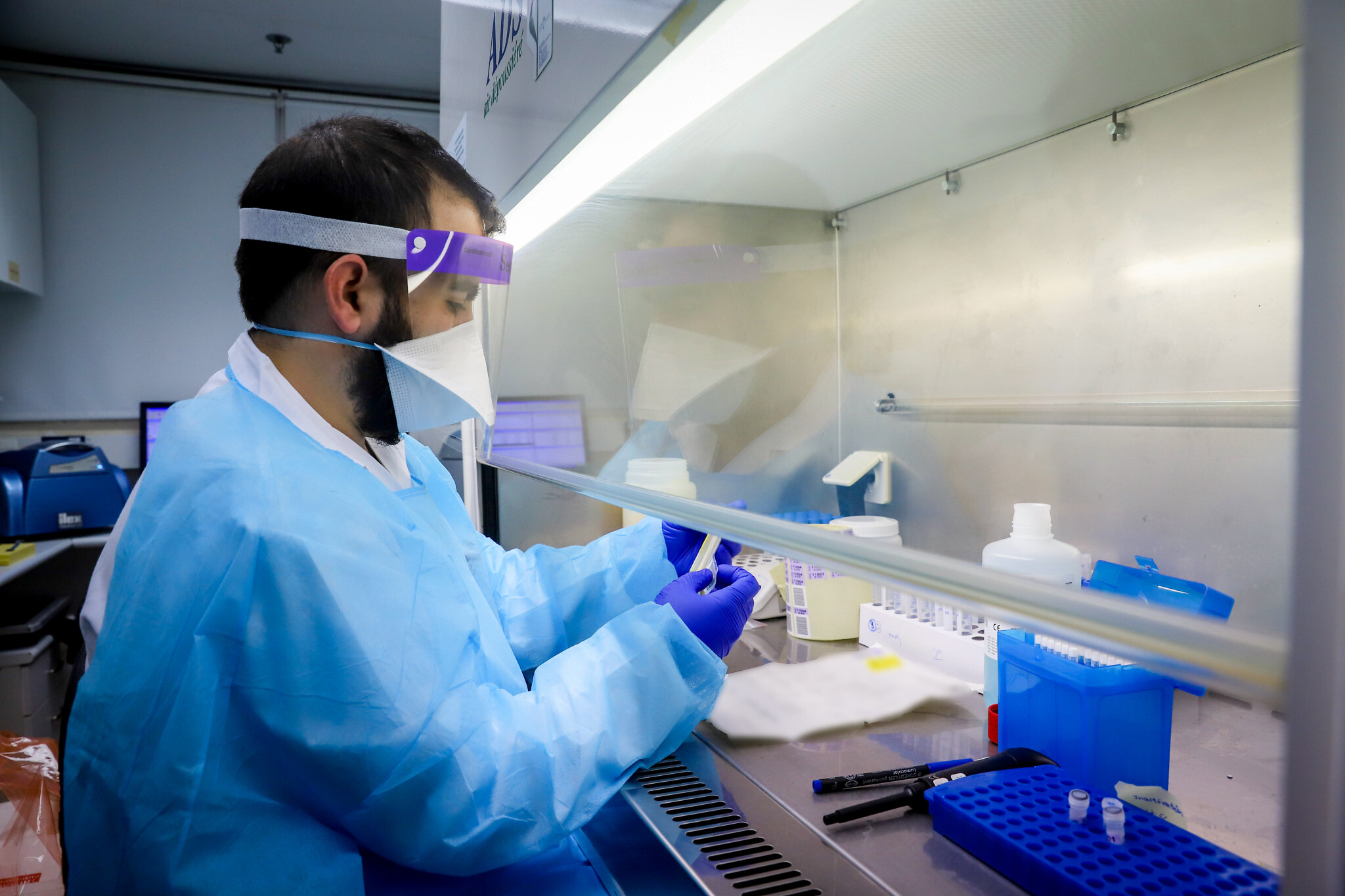
Technicians carry out a diagnostic test for coronavirus in a lab at the Rambam Hospital in Haifa, on March 17, 2020. (Yossi Aloni/Flash90)
One of the country’s largest health management organizations on Tuesday published its suggestions for preparing the country for a possible second wave of coronavirus infections, warning that Israel must be ready to test hundreds of thousands of people in the coming winter.
Maccabi Healthcare Services presented the plan earlier in the week to Health Minister Yuli Edelstein before making it public.
The plan warned that a second coronavirus wave could come alongside the annual influenza season, which will lead large numbers of people to fear they have COVID-19, the disease caused by the coronavirus, as both ailments have similar symptoms of respiratory difficulties. However, COVID-19 can, apparently more often than the flu, rapidly develop into a more serous condition.
“Two hundred thousand people will have coronavirus symptoms because of the flu and will run to health clinics, requiring us to do tens of thousands of coronavirus tests a day,” wrote Maccabi CEO Ran Saar. “Everyone will be afraid of the coronavirus and we will need to double the tests, to protect the elderly, and work differently in the health management organizations.”
Screen capture from video of Ran Saar, CEO of the Maccabi Health Services. (Twitter)
The Maccabi document depicted scenarios in which there could be 4,000 people diagnosed with coronavirus each week and another 200,000 with breathing difficulties. In the worst case, there could be 25,000 diagnosed each week among 250,000 people with breathing difficulties.
As a result, the country needs to be ready to carry out some 30,000 virus tests a day, Maccabi said. During the recent outbreak, virus tests peaked at around 12,000 tests a day.
Maccabi called for the preparation of a massive testing capacity including testing of waste water for early identification of virus hotspots. There should be clear definitions of what information is needed to track the spread of infections and that data should be made available to all health organizations combating the virus, the plan said.
Also, the HMO advised, a national purchasing system should be established to obtain drugs, vaccines, and protective equipment.
Maccabi — and the country’s other three HMOs, Clalit, Meuhedet and Leumit –should be much more involved in formulating the campaign to counter a second coronavirus outbreak and should be part of the decision-making process, according to the plan.
MDA staff performing coronavirus testing (Photo: Magen David Adom Israel)
Maccabi also urged that treatment of virus patients be carried out as much as possible at home, rather than in hospitals.
“The center of the next wave will be in the community and not in the hospitals,” Saar wrote.
Maccabi estimated that lockdown measures during the recent outbreak had cost the economy NIS 1 billion ($285 million) a day and asked that the government allocate the same sum for all of the country’s health associations to better prepare for a second outbreak.
The Maccabi document also sharply criticized the manner in which the government dealt with the recent virus spread, saying authorities had focused almost entirely on preventing a flood of patients overwhelming hospitals, ordering a strict lockdown that, while curbing the spread, dangerously diminished health care availability to the rest of the population.
Maccabi charged there was no national plan for how to continue providing general health care to the rest of the population during the outbreak, which, it said, caused damage due to the limited access to regular health care.
Though the lockdown measures likely curbed the spread of the virus, Maccabi noted that the entire health system was focused on a disease with which there was a 0.2% chance of becoming infected, “while providing significantly reduced attention to the treatment of other diseases.”
It found that recently there was a 30% reduction in the diagnosis of heart attacks and a 40% reduction in diagnosis of strokes in emergency rooms, which it said was due to many patients fearing they could become infected with COVID-19 if they went to the hospital.
The government narrative led to “distorted overall planning” in the campaign against the virus and caused significant secondary damage to public health and the economy, Maccabi said.

Prime Minister Benjamin Netanyahu (L), Health minister Yaakov Litzman (R) and Health Ministry Director General Moshe Bar Siman-Tov at a press conference about the coronavirus at the Prime Minister’s Office in Jerusalem on March 11, 2020. (Flash90)
Maccabi also said that by initially entrusting virus testing to a non-HMO group — the Magen David Adom ambulance service — there were bureaucratic issues due to the lack of a comprehensive computer system to track the testing.
As a result there were delays in testing and some results were lost, leading to an overall delay in stopping the spread of infection. Testing, Maccabi said, should have been given to the HMOs, which have resources spread out across the country. When HMOs were eventually brought onboard for testing it dramatically increased the virus testing rate, the plan noted.
The Health Ministry, which during the virus outbreak was under now-Housing Minister Yaakov Litzman and his director-general, Moshe Bar Siman-Tov, has come under fire for its handling of the crisis.
As of Tuesday, 16,743 people have been diagnosed with COVID-19 in Israel, of whom 281 died.


2 drugs for Gaucher’s disease also fight COVID-19, Israeli defense lab finds

2 drugs for Gaucher’s disease also fight COVID-19, Israeli defense lab finds

Defense Ministry-run Institute for Biological Research identifies medications treating the genetic disorder that can be used against viruses; one already has FDA approval

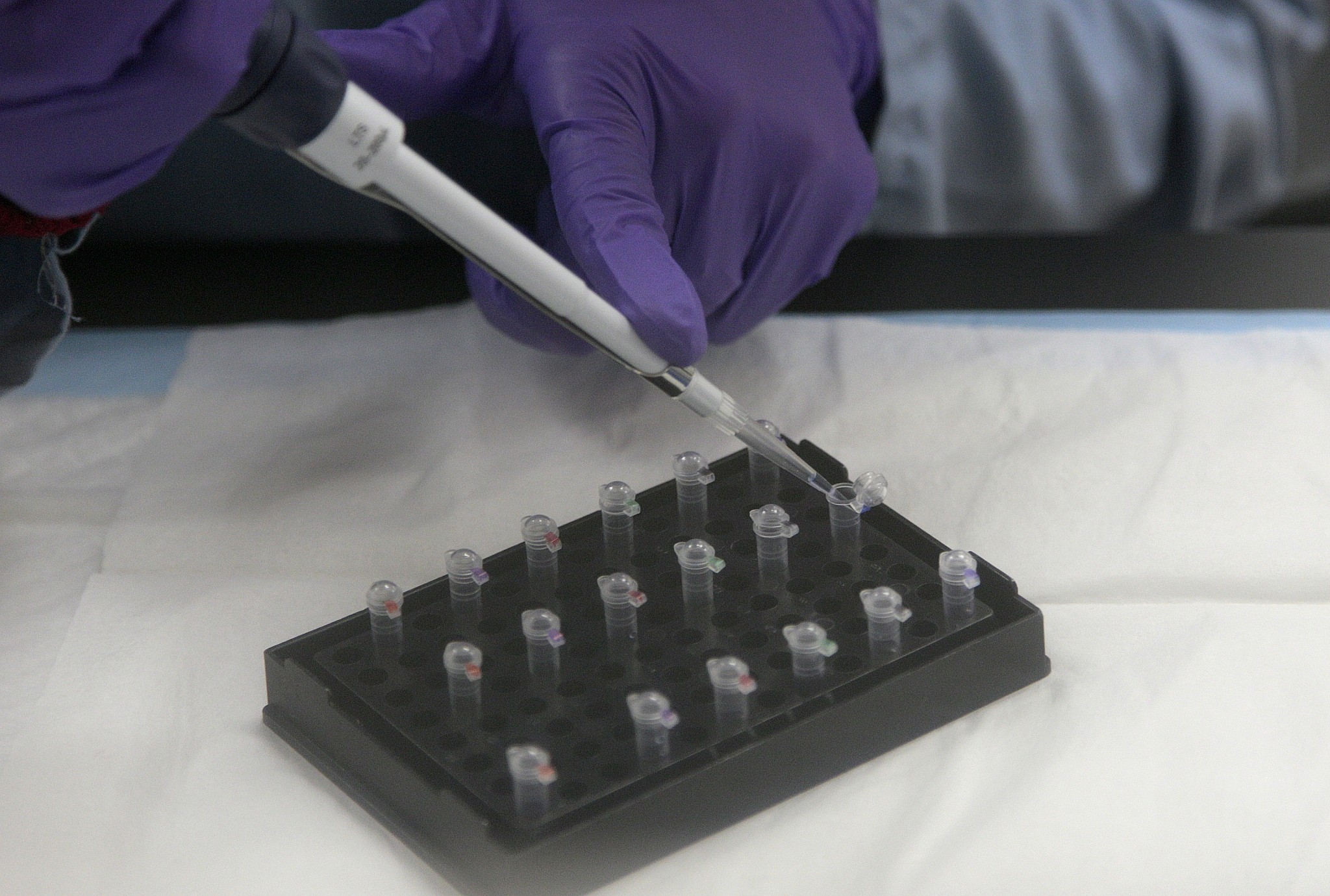
Illustrative photo of mitochondrial DNA testing at the State of California Department of Justice Jan Bashinski DNA Laboratory in Richmond, California, February 17, 2012. (AP Photo/Jeff Chiu)
The Defense Ministry-run Institute for Biological Research has found two drugs used to treat a genetic disorder known as Gaucher’s disease are also effective against the coronavirus and potentially other viruses as well, the laboratory announced Tuesday.
As one of these drugs — Cerdelga — has already been approved for use by the US Food and Drug Administration and the second — Venglustat — has almost completed the approval process, they may be fast-tracked for use with COVID-19 patients, the Defense Ministry said.
In the proposed antiviral treatment, the two drugs would be taken together.
“The two drugs under development are currently being tested for their effectiveness in treating animals infected with the coronavirus,” the ministry said.
The results of a trial testing two Gaucher’s disease drugs on the coronavirus, published by the Institute for Biological Research on May 26, 2020. (Defense Ministry)
The defense laboratory, which is based in Ness Ziona, has already published the results of a study of the treatment on mice, though the article has yet to be peer-reviewed.
The study on mice found that the medications inhibited the replication of the viruses in the bodies of the infected animals.
In addition to being effective against the coronavirus, the treatment was also found to work against three other viruses, Neuroinvasive Sindbis virus, West Nile virus and Influenza A virus, the researchers wrote.
“This indicates their potential in treating various viral diseases effectively — including future outbreaks of new viruses — once they are clinically approved,” the ministry wrote.
Gaucher’s disease is not caused by a virus, but is a genetic disorder common among Ashkenazi Jews. The researchers found that the drugs used to treat this disease cause the creation of molecules called glycosphingolipids that appear to serve an antiviral function, according to their article.
The Institute for Biological Research has been deeply involved in the development of coronavirus treatments and vaccine since the outbreak of the disease.
President Reuven Rivlin (R) visits the Israel Institute for Biological Research in Ness Ziona on May 7, 2020. (Kobi Gideon/GPO)
Last week, Channel 12 news reported that the laboratory had completed successful vaccine trials on rodents, paving the way to further testing on other animals and then eventually human trials. The laboratory hopes to have a finished vaccine in a year, or possibly earlier, the report said.
During the trials, two groups of rodents were infected with the coronavirus, but only one group had first been given the vaccine. Whereas the unvaccinated group became sick, the vaccinated rodents remained healthy.
Testing on rodents is a key preliminary stage in developing medicines and enables further testing to begin on other animals. If those are also successful, the trials will move to humans to check the vaccine’s effectiveness and for any side effects.
Earlier this month, the laboratory said it had isolated eight antibodies it believed could be used to develop treatments for COVID-19, and that it was ahead of the world in those efforts.
The antibodies were produced from blood taken from COVID-19 patients who developed serious symptoms, and then recovered. The lab hopes to combine the antibodies into an effective treatment for the virus. If researchers are able to make the medicine, they will seek an international drug company to mass produce it.
That development would not be useful in the creation of a vaccine, but would rather be a move toward a drug treatment for those who have already contracted the disease.
About 100 research groups around the world are pursuing vaccines for the coronavirus, with nearly a dozen in early stages of human trials or poised to start. But so far there is no way to predict which — if any — vaccine will work safely, or even to name a front-runner.
Dr. Anthony Fauci, the US government’s top expert, has cautioned that even if everything goes perfectly, developing a vaccine in 12 to 18 months would set a record for speed.
The coronavirus has infected millions of people around the world and killed hundreds of thousands, according to the Worldmeter website that experts say under-counts the true toll of the pandemic. Israel has had over 16,700 diagnosed cases of COVID-19, with 281 deaths as of Monday.
----------------------------------------------------------------------------------------------------
RELATED:-

Gaucher disease - Symptoms and causes - Mayo Clinic

www.mayoclinic.org › symptoms-causes › syc-20355546