| |||||
|
|||||
|
Hello Nature readers,
Today we read about a swine-flu strain with human pandemic potential found in pigs, ponder whether cosmic rays explain the handedness of life, and learn that quantum computers work better when no one’s around. |
|||||

|
|||||
| Habitat destruction is one of the main drivers of species loss. (Robin Moore/National Geographic) | |||||
Speaking in the name of nature
Earlier this month, Elizabeth
Maruma Mrema was appointed executive secretary of the United Nations
Convention on Biological Diversity. She is the first woman from Africa
to lead the intergovernmental body, and will oversee the creation of a
global biodiversity agreement for the next decade. Mrema spoke to
Nature about how the coronavirus pandemic has influenced negotiations, and the challenges ahead.
“One could say that I have been appointed at a bad time for
biodiversity, considering that the whole world is just emerging from, or
still in, lockdown,” she says. “But at the same time, I see it as a
major opportunity, as biodiversity is being discussed more than ever
before.”
Nature | 6 min read
|
|||||
|
|
|||||
Pigs in China carry risky swine-flu strain
Scientists carrying out
routine monitoring of influenza strains in China have found that pigs
are widely infected with a virus with the potential to trigger a
pandemic. The strain, called G4, is a genetic blend of three lineages.
These include the H1N1 virus that caused the 2009 pandemic, suggesting
that it might be able to adapt for human-to-human transmission.
Antibody tests showed that more than 4% of humans surveyed had been
exposed to G4. In its current form, the virus is not considered
dangerous, but scientists warn that, given the unpredictability of
influenza viruses, a vaccine should be developed. “We need to be
vigilant about other infectious disease threats even as COVID is going
on because viruses have no interest in whether we’re already having
another pandemic,” says evolutionary biologist Martha Nelson.
Science | 6 min read
Reference:
PNAS paper
|
|||||
|
|
|||||
A cosmic origin for the handedness of life
Nineteenth-century biologist
Louis Pasteur speculated that life’s preference for using certain
organic molecules but not their mirror-image counterparts is “one of the
links between life on Earth and the cosmos”. Now, two astrophysicists
have a new interpretation of that connection. They say that the
never-ending bombardment of Earth by cosmic rays could have led to DNA
that is unerringly right-handed and amino acids that are nearly always
left-handed. Cosmic rays that hit the upper atmosphere produce new
particles, some of which are endowed with a preferred handedness caused
by the weak nuclear force, the only fundamental force known to
distinguish left from right. Over eons, that asymmetry could have
trickled down to organic matter.
Quanta | 6 min read
Reference:
Astrophysical Journal Letters paper
|
|||||
|
|||||
Notable quotable“Oh my goodness, this is one of us.”
Physician Luis Lobon recognized his colleague, hospital worker Marie Deus, when he treated her for COVID-19. She was the first employee to die of the disease at the hospital in Boston, Massachusetts, where she worked.
The moving story of her life and death weaves together how racial
inequality and job insecurity contribute to the risk for many front-line
workers. (STAT | 18 min read)
|
|||||
|
|||||
How to put the fun into virtual conferences
Organizing a virtual conference changed how sustainability researchers Christina Bidmon, Cristyn Meath and René Bohnsack think about academic exchange.
“When COVID-19 hit, we optimistically thought, ‘We will take our
conference virtual’,” they write. “In the process, we’ve found that,
instead of thinking of online conferences as replacements-by-necessity
for physical conferences that should resemble the ‘real thing’, we
should try to accept them as an entirely different model of academic
exchange.” They share their tips for using a conference platform,
helping participants mingle and maintaining the fun factor.
Nature | 4 min read
|
|||||
|
|
|||||
To improve quantum computers, keep away
Christopher Monroe and his team
spent three years setting up their quantum computer to be operated
remotely. When the COVID–19 pandemic struck, those efforts paid off in
an unexpected way: quantum computers work best without humans walking around the lab
and producing vibrations or temperature fluctuations. Their machine
“has kept running — all day, every day”, Monroe writes. “And the data
have been excellent because the campus has been a ghost town.” The
bigger lesson is that a remote mode of operation could hasten the
development of these potentially revolutionary machines, Monroe says.
Nature | 4 min read
|
|||||
|
|||||

|
|||||
| From electric vehicles to smart grids, the path to a greener future is paved with lithium-ion batteries — lots of them. That means we need better ways to keep them cool. But the task has been hindered by a lack of a standard way to judge their thermal performance. Five engineers propose the cell cooling coefficient, a measure for the rate of heat removal from battery packs that gives manufacturers a simple way to compare products. (Nature | 8 min read) | |||||
|
|
|||||
|
|||||
|
|
Wednesday, July 1, 2020
Nature Briefing


‘It’s frightening’: Doctors say half of ‘cured’ COVID patients still suffer
Freak pains and half-broken lungs persist months later
‘It’s frightening’: Doctors say half of ‘cured’ COVID patients still suffer
Bnei Brak woman tells The Times of Israel that a month after testing negative she has severe fatigue and anxiety – and her husband is worse than he was when hospitalized
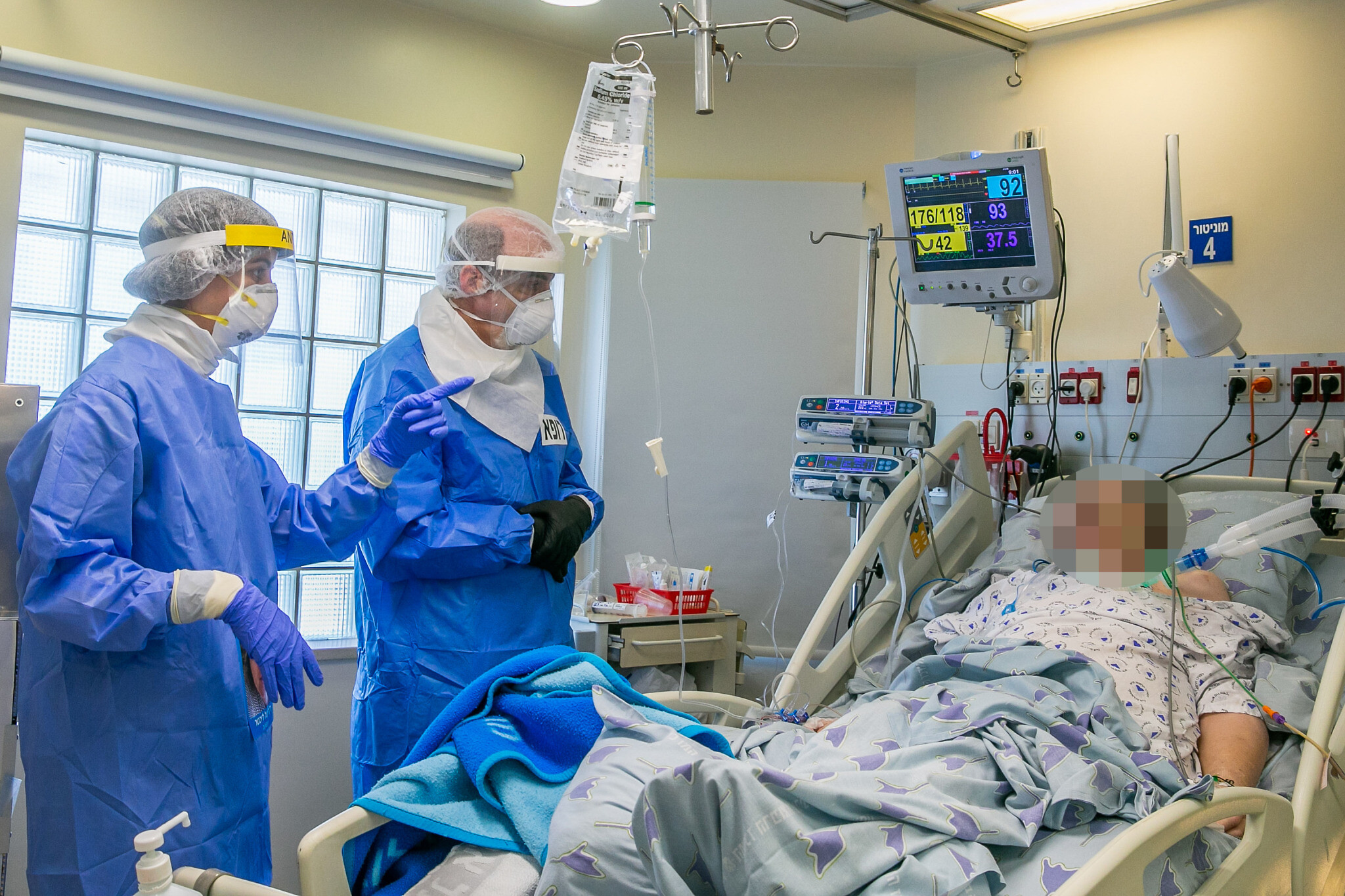
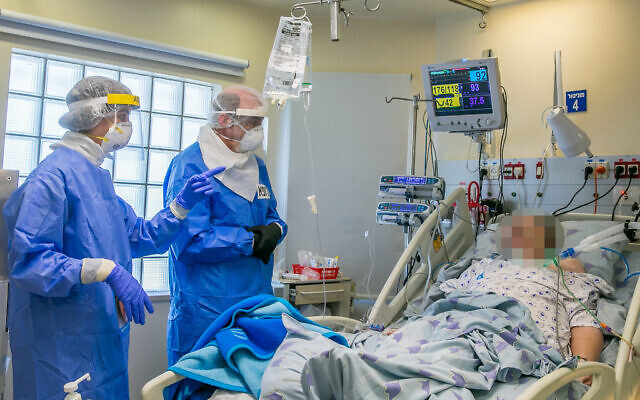
A medical team at the coronavirus unit, in the Ichilov hospital, Tel Aviv, Israel, May 4, 2020. (Yossi Aloni/Flash90)
Recovered COVID patients are baffling doctors with complaints of
freak pains, lungs that just won’t get back to normal, and a range of
incapacitating psychological issues.
“What we are seeing is very frightening,” Prof. Gabriel Izbicki of Jerusalem’s Shaare Zedek Medical Center told The Times of Israel. “More than half the patients, weeks after testing negative, are still symptomatic.”
Izbicki is working on a study that involves follow-up with patients who were in hospitals or coronavirus hotels, looking at the aftereffects of the virus and trying to understand why patients continue to suffer long after being confirmed negative. “There is very little research about the mid-term affect of coronavirus,” he said, adding that it is much needed to guide doctors.
In Bnei Brak, at Israel’s first community clinic, doctors have been seeing a spike in recent days in the patients with pains that appear to come from nowhere.
“It can appear in the arms, legs, or other places where the virus doesn’t have a direct impact, and if you ask about the pain level on a 1 to 10 scale, can be 10, with people saying they can’t get to sleep,” said Eran Schenker, director of the month-old clinic in Bnei Brak run by Maccabi Healthcare Services. “It’s something which we’re starting to see much more in the last week.”
 Izbicki, director of Shaare Zedek’s Pulmonary Institute, also
emphasized that many of his patients have long been declared
coronavirus-free. One of the biggest surprises, he said, is that there
is no predicting which patients will find the disease hard to shake, and
which will not.
Izbicki, director of Shaare Zedek’s Pulmonary Institute, also
emphasized that many of his patients have long been declared
coronavirus-free. One of the biggest surprises, he said, is that there
is no predicting which patients will find the disease hard to shake, and
which will not.
“There is no correlation between seriousness of disease during hospitalization and extent of symptoms afterwards,” he said, discussing preliminary results from his study on recovered patients who were treated in hospitals and coronavirus hotels.
“Within the symptoms that we checked for, we revealed general weakness among the majority of patients alongside shortness of breath, sustained cough, and other complex breathing and pulmonary issues,” he said, adding that he is also familiar with the freak pains that Schenker discussed.
 Dan Oyero, Maccabi’s deputy director of medicine in central Israel,
said that the overarching issue doctors are dealing with is the
far-reaching change in people’s lives, for which doctors cannot predict
an end point.
Dan Oyero, Maccabi’s deputy director of medicine in central Israel,
said that the overarching issue doctors are dealing with is the
far-reaching change in people’s lives, for which doctors cannot predict
an end point.
“The most distressing thing is that people compare how they feel now compared to how they were a few weeks ago before they were infected,” he said. “And they say they just can’t do the things they used to do.”
The sense of taste and smell, lost during the illness, sometimes does not return. When patients ask if it will come back, given that doctors have such limited experience of the disease, they cannot give a clear answer. “We just don’t know,” said Oyero.
When doctors can invoke a precedent from other illnesses, it can be bad news.
 “They have two lungs, but they are the equivalent of one, because
each lung is working at 50% — and it could be like this for the rest of
their lives,” he said. He draws this conclusion from the pattern of lung
damage that is seen from some other diseases — but normally only
affecting patients who had previous lung complications.
“They have two lungs, but they are the equivalent of one, because
each lung is working at 50% — and it could be like this for the rest of
their lives,” he said. He draws this conclusion from the pattern of lung
damage that is seen from some other diseases — but normally only
affecting patients who had previous lung complications.
“The damage was not done by the virus, but by an inflammation process which, we know from other diseases, will not leave lungs with the capacity to exchange oxygen as before,” Schenker commented.
Izbicki said that in his experience, COVID-related lung damage can affect patients of all ages, and said he shares the concern that people will not regain full lung performance. “We don’t know if the lung function tests will become normal,” he said.
Some patients require physical therapy. Schenker said: “We’ve seen cases of weight loss that have been so extreme that people find it hard to walk.” Meanwhile, some who are physically able to move around just don’t have the energy or motivation to do so.
 Some of these patients are young and normally energetic, Schenker said.
“It’s amazing how many people went back to work — they can be educators, lawyers and in other professions — but when they sit for an hour they feel anxiety, feel insecure, and sometimes the people suffer from depression beyond what we expected.”
“What we are seeing is very frightening,” Prof. Gabriel Izbicki of Jerusalem’s Shaare Zedek Medical Center told The Times of Israel. “More than half the patients, weeks after testing negative, are still symptomatic.”
Izbicki is working on a study that involves follow-up with patients who were in hospitals or coronavirus hotels, looking at the aftereffects of the virus and trying to understand why patients continue to suffer long after being confirmed negative. “There is very little research about the mid-term affect of coronavirus,” he said, adding that it is much needed to guide doctors.
In Bnei Brak, at Israel’s first community clinic, doctors have been seeing a spike in recent days in the patients with pains that appear to come from nowhere.
“It can appear in the arms, legs, or other places where the virus doesn’t have a direct impact, and if you ask about the pain level on a 1 to 10 scale, can be 10, with people saying they can’t get to sleep,” said Eran Schenker, director of the month-old clinic in Bnei Brak run by Maccabi Healthcare Services. “It’s something which we’re starting to see much more in the last week.”
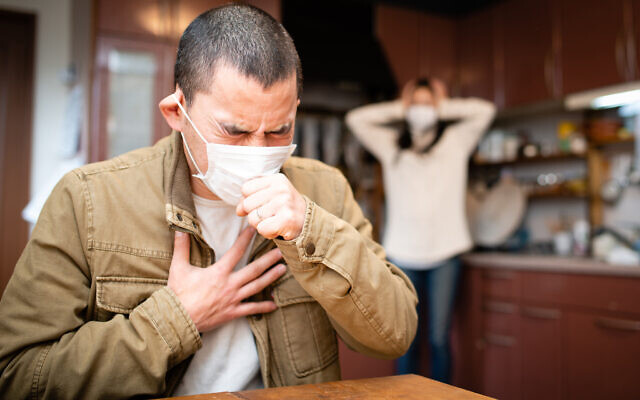
Man coughing (iStock)
‘Broken’ by the virus
A patient from the clinic spoke to The Times of Israel on condition that her name is not published. She was diagnosed in March and tested negative a month ago. But the woman, a Bnei Brak resident in her 40s, still has severe fatigue and anxiety, and can only walk for a few minutes at a time.
Her husband, who also caught
coronavirus in March and tested negative last month, now “feels like
he’s broken,” she said. “He’s actually worse than he was when he was
hospitalized.”
Her
husband, 55, had some health problems before contracting coronavirus in
March, but was active “from morning until night,” with plenty of
energy. He is now extremely lethargic, can hardly walk, and has heart
problems, she said.
This came as a particular shock to the
family, as during his initial hospitalization in March and early April
he did not require oxygen and X-rays showed no damage to his lungs. He
was hospitalized again during April with pneumonia-like symptoms, and
declared negative in May. But the man then developed pains and
significant breathing problems, and has seen cardiologists, neurology
experts, rehabilitation teams, and other professionals at the clinic.
This man was “one of the hard cases, but he’s not the worst and we have patients who suffer more,” according to Schenker.
He said that with all illnesses patients
can be left reeling from long hospitalizations, and ventilators use can
slow full recuperation — but COVID-19 is causing patterns that are not
usually seen.
“We’re amazed that people aren’t just
suffering from the things we expected, but things we just weren’t aware
would have relevance,” he told The Times of Israel. “It’s not textbook.”
He stressed that his patients are not all
newly recovered. “Some of them had coronavirus in March, so they may
have been recovered for months,” he said.
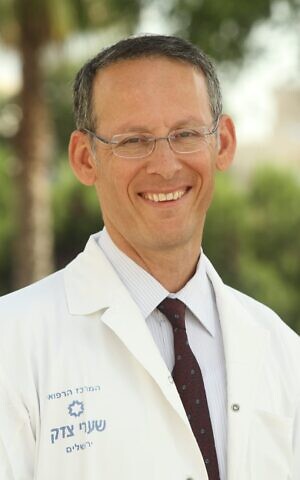
Gabriel Izbicki, head of the Pulmonary Institute at Jerusalem’s Shaare Zedek Medical Center (Shaare Zedek Medical Center)
“There is no correlation between seriousness of disease during hospitalization and extent of symptoms afterwards,” he said, discussing preliminary results from his study on recovered patients who were treated in hospitals and coronavirus hotels.
“Within the symptoms that we checked for, we revealed general weakness among the majority of patients alongside shortness of breath, sustained cough, and other complex breathing and pulmonary issues,” he said, adding that he is also familiar with the freak pains that Schenker discussed.
These pains — seen in young patients and old
alike — have doctors scratching their heads. Schenker said:
“Painkillers block the pain but don’t relieve the source, but we don’t
know how to address the source and you can’t be on painkillers the rest
of your life.”
While the pains are excruciating for some,
others describe the pains more as a major discomfort: burning
sensations, tingling, or just a hard-to-place sense that a limb does not
feel normal.
The patients with these pains do not
normally raise red flags during the main medical examinations. Schenker
said: “We check their lung and hearts and they have no disease, and they
have no neurological issues. We do scans and can’t see anything, but
they have this pain — we’re told about it again and again.”
Dan Oyero, deputy director of medicine in
central Israel for Maccabi Healthcare Services (courtesy of Maccabi
Healthcare Services)
“The most distressing thing is that people compare how they feel now compared to how they were a few weeks ago before they were infected,” he said. “And they say they just can’t do the things they used to do.”
The sense of taste and smell, lost during the illness, sometimes does not return. When patients ask if it will come back, given that doctors have such limited experience of the disease, they cannot give a clear answer. “We just don’t know,” said Oyero.
When doctors can invoke a precedent from other illnesses, it can be bad news.
Elderly patients who were badly stricken by
the coronavirus, even if they had no previous respiratory issues, can
find their lungs working at half capacity, long after testing negative,
said Schenker.
Eran Schenker, director of the clinic for
recovered COVID patients in Bnei Brak run by Maccabi Healthcare
Services (courtesy of Maccabi Healthcare Services)
“The damage was not done by the virus, but by an inflammation process which, we know from other diseases, will not leave lungs with the capacity to exchange oxygen as before,” Schenker commented.
Izbicki said that in his experience, COVID-related lung damage can affect patients of all ages, and said he shares the concern that people will not regain full lung performance. “We don’t know if the lung function tests will become normal,” he said.
Some patients require physical therapy. Schenker said: “We’ve seen cases of weight loss that have been so extreme that people find it hard to walk.” Meanwhile, some who are physically able to move around just don’t have the energy or motivation to do so.
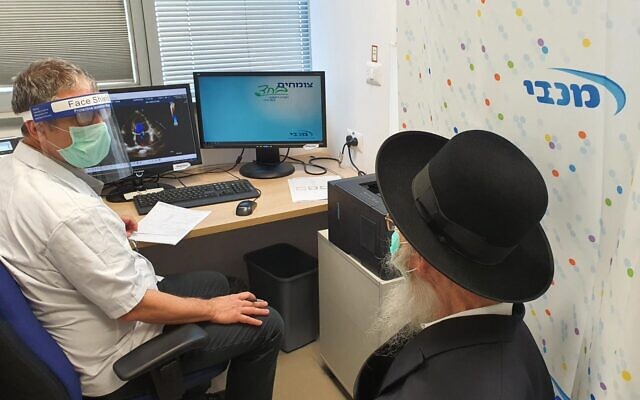
A recovered coronavirus patient sees a
cardiologist at the special clinic in Bnei Brak run by Maccabi
Healthcare Services (courtesy of Maccabi Healthcare Services)
“It’s amazing how many people went back to work — they can be educators, lawyers and in other professions — but when they sit for an hour they feel anxiety, feel insecure, and sometimes the people suffer from depression beyond what we expected.”
Oyero said:“The main complaints are actually
fatigue, compacts [intense periods] of low energy — nothing we can give
a name to. Many people say that they don’t have the energy they had
before. They are more tired. Some say they don’t have the drive to do
things. We can’t give the complaints a name or tell them they have a
particular syndrome, but we’re trying to help them.”
Wednesday, June 17, 2020
Nature Briefing
| |||||
|
Hello Nature readers,
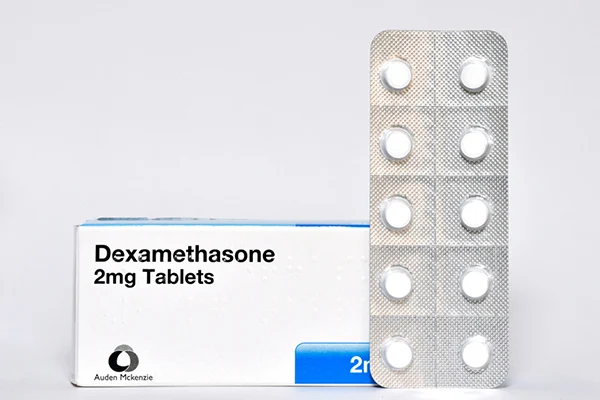
Today we hear that dexamethasone is the first drug to be shown to reduce deaths among people seriously ill with COVID-19. Plus, we ponder the super-eruption that once rocked Yellowstone. |
|||||

|
|||||
| Castle Geyser erupting in Yellowstone National Park. (Getty) | |||||
Yellowstone had even more explosive past
Almost nine million years ago,
the Yellowstone volcanic hotspot, which stretches over areas of the
western United States, experienced one of the largest eruptions ever
known. An array of analyses has revealed that rocks once thought to have
formed in several distinct eruptions came from a single
‘super-eruption’. The event scattered 2,800 cubic kilometres of rock and ash over an area of tens of thousands of square kilometres.
“When you get your maps out and measure the scale, you think, ‘That
can’t be right,’” says geochemist Thomas Knott. “‘They can’t possibly be
that far apart and be from the same volcanic eruption.’”
Scientific American | 4 min read
Source:
Geology paper
|
|||||
|
|
|||||
Twitter’s saddest weeks ever
Researchers aiming to quantify global happiness on social media have called the period starting on 26 May “the saddest two weeks” on Twitter.
Since 2008, a pair of applied mathematicians have been gauging the
positivity and negativity of randomly sampled tweets. Their happiness
index had been gradually recovering from the bleak beginnings of the
coronavirus pandemic, but dropped sharply following the killing of
George Floyd in Minnesota late last month. The lowest point, in May, was
far below the previous record, hit after a mass shooting in Las Vegas,
Nevada, in 2017. But sadness can galvanize people into action. “It’s one
thing to tell the world ‘this is the saddest week’,” says social
scientist Desmond Patton. “But also in the saddest week, you have
thousands and thousands of people who are now activated and moving
towards equality and social justice.”
Nature | 3 min read
|
|||||
|
|
|||||
Sharpiegate panel condemns NOAA head
The head of the US National Oceanic and Atmospheric Administration (NOAA) violated the agency’s ethics code last year when he backed up US President Donald Trump’s claims
that a hurricane could hit Alabama, finds a NOAA panel. The panel
concluded that acting administrator Neil Jacobs “engaged in the
misconduct intentionally, knowingly, or in reckless disregard” of the
agency’s scientific-integrity policy by censoring its office in
Birmingham, Alabama, which had tweeted that the state would not see a
major impact from Hurricane Dorian. The controversy was dubbed
‘sharpiegate’ after Trump showed a NOAA map that had been altered with a
black marker during a press conference last September.
New York Times | 3 min read
|
|||||
|
|||||

|
|||||
Notable quotable“I eat, breathe, sleep science.”
In 2018, biologist Lynika Strozier told the
Chicago Reader about her passion for science. On Wednesday, the Field Museum in Chicago, Illinois, where she worked, announced that Strozier had died owing to complications from COVID-19, aged 35. Strozier, who had a disadvantaged childhood and a learning disability, established an enviable scientific career. Her family and colleagues plan to establish a scholarship fund for aspiring scientists in her honour.
|
|||||
|
|||||
Study animals are often STRANGE
Are your turtles tired, your
spiders jaded or your fish oddly bold? Ten years to the day after the
call to widen the pool of human participants in psychology studies
beyond those from WEIRD societies (that’s Western, Educated,
Industrialized, Rich and Democratic), animal-behaviour researchers
Michael Webster and Christian Rutz write that “mounting evidence
suggests that there could be similar sampling problems in research on
animals”. They propose a framework with a fitting acronym — STRANGE — that researchers can use to design studies, and to declare and discuss potential biases.
Nature | 10 min read
|
|||||
Quote of the day“It’s a startling result. It will clearly have a massive global impact.”
Intensive-care physician
Kenneth Baillie, who serves on the steering committee of the RECOVERY
coronavirus-drug trial, responds to results suggesting that
dexamethasone reduces deaths among seriously ill people with COVID-19. (Nature | x min read)
|
|||||
|
|
|||||
|
|||||
|
|


|
|||||||||||||||||||||||
| Expert Insights |
|
||||||
|
||
| ||||
|
|
||||
|
|
||||
|
|
||||

Subscribe to:
Posts (Atom)